
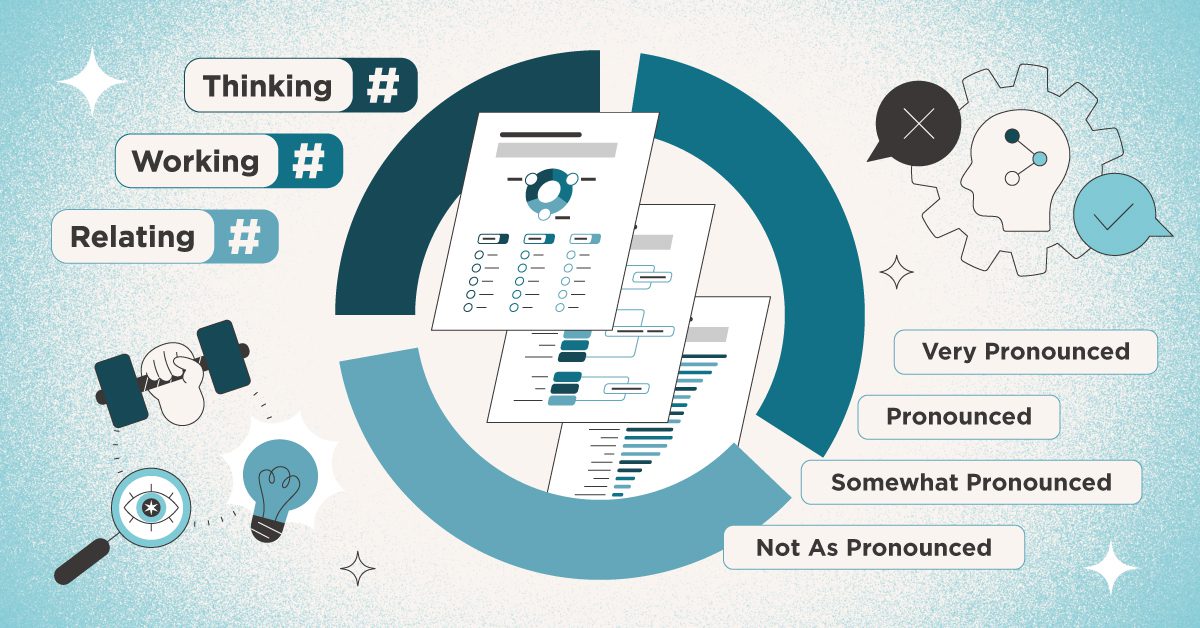
The DNA (Competencies) assessment is one of TTI’s most powerful tools for understanding and developing personal skills in the workplace. Here’s everything you need to know, from its origins to its application for immediate impact.
Key Takeaways
- The Competencies (DNA) assessment measures 25 essential workplace skills (soft skills) required for success in any role.
- It ranks skills from “developed” to “needs development”, helping identify strengths and growth opportunities.
- TTI DNA focuses on how individuals relate, think, and work, providing a complete view of performance potential.
- Organizations use DNA to improve hiring, employee development, coaching, and role alignment.
Personal skills are as important as technical skills, making DNA a critical tool for workplace performance and engagement.
Here Is Everything You Need to Know About the Competencies (DNA) Assessment
From the assessment’s benefits to the ways individuals, teams, and organizations can benefit from its insights.
What is the DNA Assessment?
The DNA assessment measures the development of 25 research-based personal skills (soft skills) required in any job. These skills are ranked from “developed” to “needs development”, providing a clear picture of an individual’s current capability and future potential. TTI’s DNA goes beyond a traditional skills assessment—it tells a structured story of how a person:
- Relates communication, collaboration, trust)
- Thinks (problem-solving, creativity, learning)
- Works (execution, initiative, goal achievement)
This makes it a practical tool for improving performance, productivity, and development. 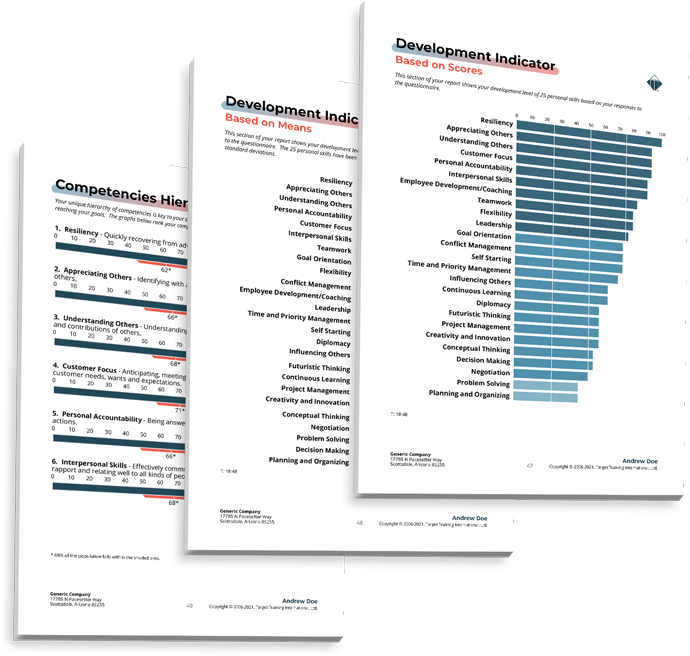

Who Created the DNA Assessment?
The DNA assessment was developed by TTI in the late 1990s, led by Bill J. Bonnstetter, TTI’s founder. It was designed to support hiring, onboarding, and employee development by identifying the skills required for success across roles.
What Are the Competencies In DNA?
The DNA assessment measures 25 core workplace competencies, including:
- Appreciating Others
- Conceptual Thinking
- Conflict Management
- Continuous Learning
- Creativity and Innovation
- Customer Focus
- Decision Making
- Diplomacy
- Employee Development/Coaching
- Flexibility
- Futuristic Thinking
- Goal Orientation
- Influencing Others
- Interpersonal Skills
- Leadership
- Negotiation
- Personal Accountability
- Planning and Organizing
- Problem Solving
- Project Management
- Resiliency
- Self Starting
- Teamwork
- Time and Priority Management
- Understanding Others
Each competency is presented in a clear, actionable format, answering:
- What is the skill?
- How does the skill show up at work?
- How do others observe the skill in action?
- How can you improve and develop your skills?
How Does the DNA Report Help in the Workplace?

The DNA assessment helps organizations determine whether individuals have the skills needed for a role, ensuring both job fit and job satisfaction. It enables teams to:
- Identify strengths and development gaps
- Improve organizational performance
- Support targeted coaching and training
- Enhance role alignment
Personal skills are just as important as technical skills in driving superior performance, and they’re often more transferable across roles.
Who Can Use DNA?

TTI offers multiple versions of the DNA assessment, tailored to different roles:
- Management/Staff reports for entry-level and mid-level employees
- Executive reports for leaders, directors, and business owners
- Sales reports for revenue-focused roles
Each version delivers role-specific insights while measuring the same core competencies.
How Can You Use DNA Right Now?
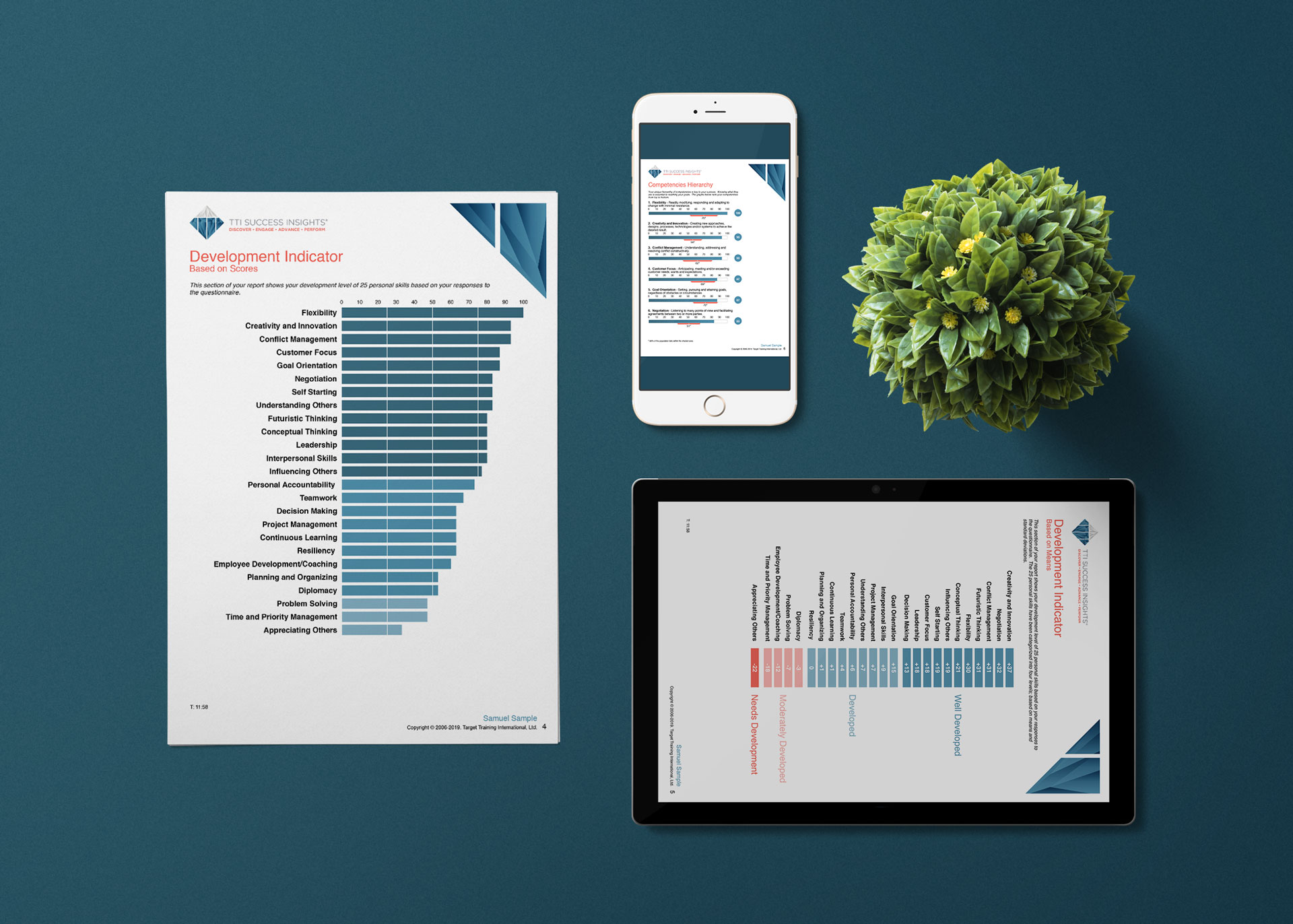
The DNA assessment is designed for continuous improvement. Because these are learnable, experience-based skills, individuals can actively build them over time.
Use DNA to:
- Identify skills that need development
- Build a targeted development plan
- Turn weaknesses into growth opportunities
- Improve hiring & job fit
- Benchmark roles
- Evaluate candidate skill alignment
- Avoid costly bad hires
- Increase employee engagement
- Strengthen retention
- Build a culture of continuous learning
When employees see investment in their personal skill development, they become more committed and productive.
What’s Your Next Step?
There are several ways to start using the DNA assessment:
- Take the DNA assessment to understand your personal skill profile
- Use insights to guide coaching, training, and development
- Apply DNA across teams to improve performance and alignment
Contact us here to get started.