
How to Have More Effective Conversations When Opinions Differ
How can you have more effective conversations with people who hold different beliefs and opinions? Start by recognizing your emotional reactions, listening to understand rather than respond, and approaching disagreements with a mindset of collaboration instead of confrontation.
Today’s social and political climate can make conversations especially challenging. Many people feel emotionally exhausted, misunderstood, or threatened when others question their fundamental beliefs and values. Holiday gatherings, family events, and workplace interactions can bring people with opposing perspectives together, creating opportunities for tension and conflict.
When disagreements turn into arguments or verbally aggressive exchanges, productive communication becomes difficult. Understanding how your brain responds to perceived threats can help you manage emotional reactions, reduce defensiveness, and turn debates into more meaningful dialogue.
Key Takeaways
- Verbal attacks can trigger emotional threat responses that make thoughtful communication more difficult.
- You-Me debates create defensiveness and encourage people to protect their positions rather than understand opposing perspectives.
- A We mentality encourages more effective conversations by building trust, understanding, and collaboration.
- Understanding behavioral styles and driving forces can help you recognize communication triggers in yourself and others.
- You cannot control someone else’s beliefs, but you can control how you approach disagreements and respond to challenging conversations.
Why Do Difficult Conversations Trigger Emotional Reactions?
When someone challenges your beliefs, values, or perspective, you may experience an immediate emotional reaction. You might feel defensive, frustrated, angry, or even personally threatened.
But why do disagreements sometimes feel like personal attacks?
In the latest episode of Science of Self®® in 60 Seconds, Convert Debate Into Dialogue, Dr. Ron Bonnstetter explains how the brain can respond to verbal attacks in ways that resemble its response to physical threats.
When you perceive a threat, your brain activates its threat-response systems. This heightened state can make it harder to access the thoughtful, deliberate thinking you need for productive conversations.
Instead of listening carefully and considering another perspective, you may react emotionally and focus on defending yourself.
Recognizing this response is the first step toward having more effective conversations. When you understand why certain statements trigger emotional reactions, you can begin to pause, manage your response, and approach disagreements more thoughtfully.
How Do You-Me Debates Prevent Effective Communication?
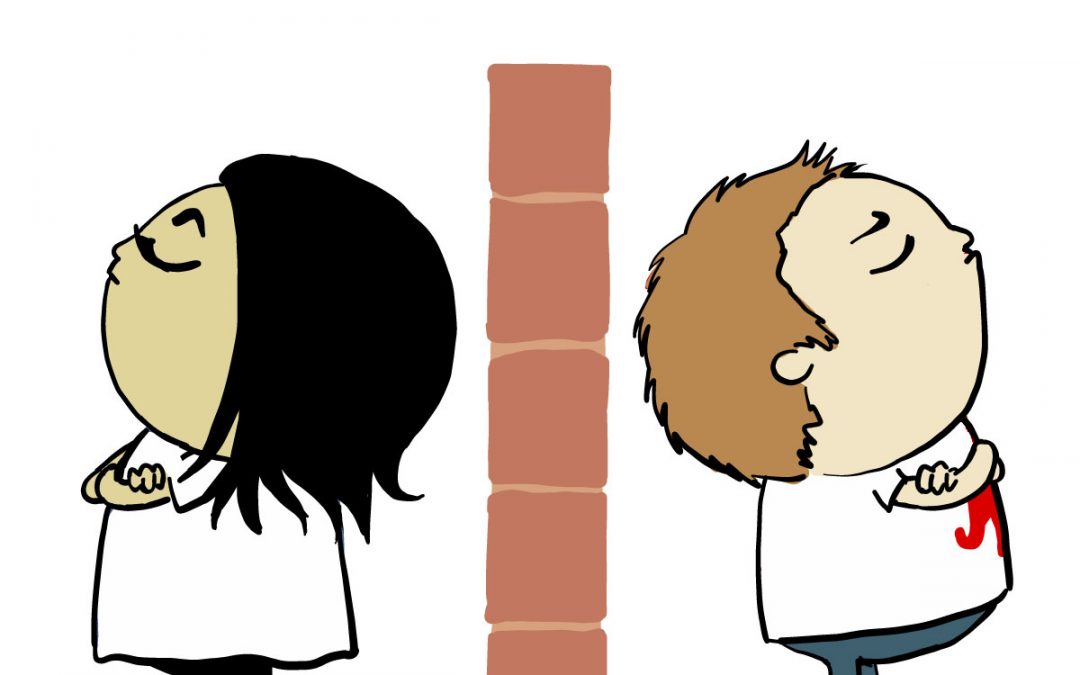
When emotions take over a conversation, communication can quickly turn into a You-Me debate.
A You-Me debate happens when two people focus on defending their individual positions rather than understanding each other’s perspectives. Each person wants to prove a point, correct the other person, or protect their beliefs.