
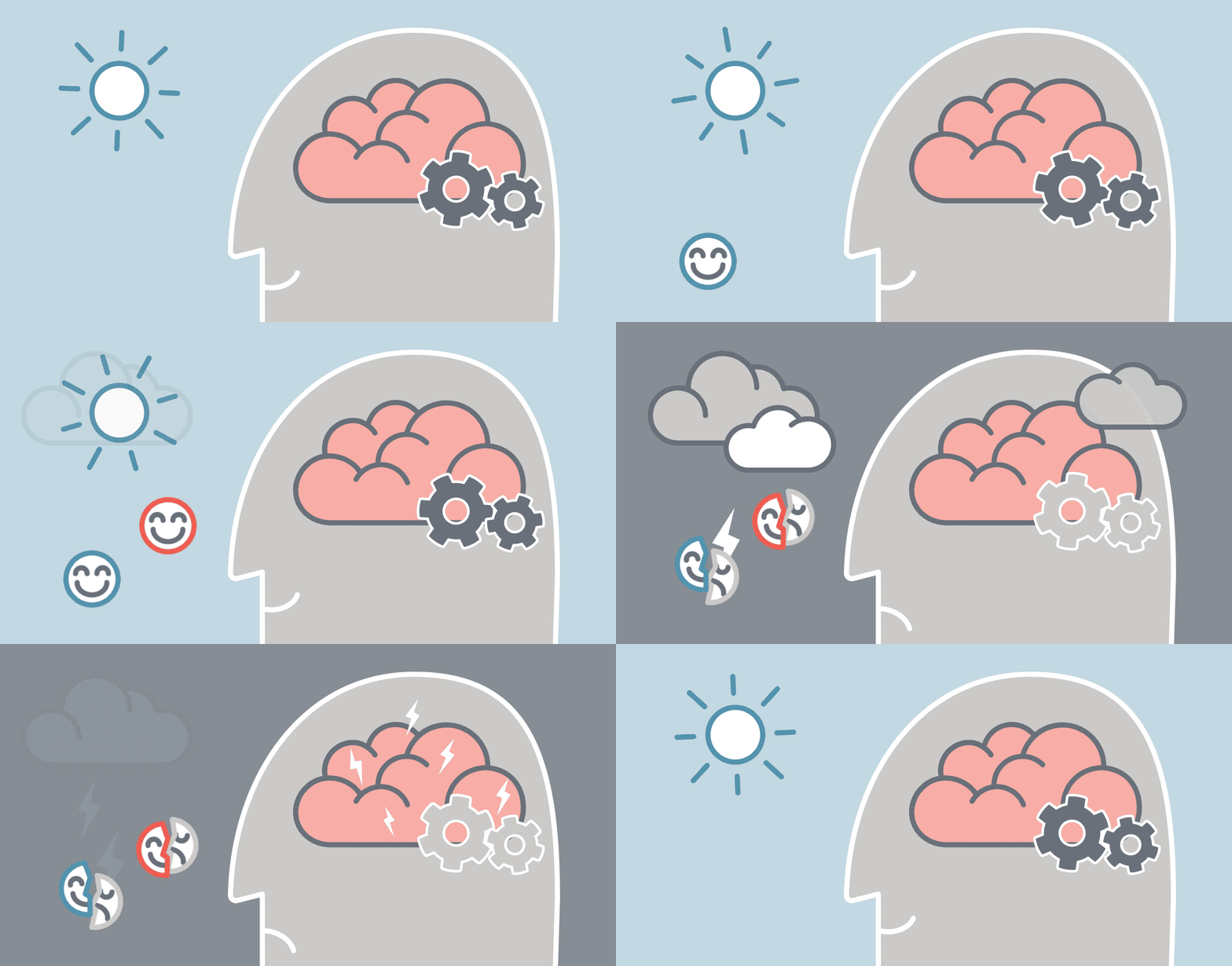
In the modern workforce, understanding the short- and long-term effects of stress has never been more important.
While stress management strategies can help, no amount of preparation completely eliminates stress. Left unmanaged for long periods of time, stress can evolve into something more serious: burnout.
Key Takeaways
- Burnout is more than stress. It’s a state of emotional, mental, and physical exhaustion caused by prolonged pressure.
- Extroverts and introverts experience burnout differently, often based on how they gain and restore energy.
- Remote work, disrupted routines, and blurred work-life boundaries have contributed to rising levels of burnout.
- Extroverts often struggle when social connections and collaboration are limited.
- Introverts often struggle when routine, balance, and internal stability are disrupted.
- Self-awareness, healthy routines, creativity, and mental health support can help prevent and reduce burnout.
What Is Burnout?
Burnout is not simply “feeling stressed.” While stress can contribute to burnout, the two are different experiences.
“Burnout is most commonly seen in people who are overworked or are having difficulty separating their home and work life,” says Dr. Ron Bonnstetter, Senior Vice President of Research and Development. “Unlike general stress, brain burnout manifests as emotional damage, suppression, detachment, and depression.”
“Burnout is most commonly seen in people who are overworked or are having difficulty separating their home and work life.”
He explains that, unlike everyday stress, burnout often manifests as:
- Emotional exhaustion
- Detachment or suppression
- Mental fatigue
- Depression or hopelessness
- Reduced motivation and productivity
Burnout is especially common when employees feel they are “always on” and unable to disconnect from work responsibilities.
Introversion vs. Extroversion: Why Burnout Looks Different
People experience burnout differently based on how they naturally recharge their energy.
Extroverts
Extroverts are typically energized by:
- Social interaction
- Collaboration
- Conversation
- External stimulation
- Group connection
Introverts
Introverts are typically energized by:
- Solitude
- Reflection
- Internal processing
- Quiet environments
- Consistent routines
It’s important to note that DISC does not directly measure introversion or extroversion. However, different behavioral styles may display communication patterns commonly associated with each.
What Burnout Looks Like for Extroverts
For extroverts, burnout often develops when social relationships and interpersonal interactions are limited or strained.
This can happen when people are:
- Isolated from coworkers or friends
- Working remotely without meaningful collaboration
- Missing emotional connection and shared experiences
- Feeling disconnected from their support systems
As burnout increases, extroverts may experience:
- Emotional numbness
- Fatigue
- Reduced enthusiasm
- Irritability
- Depression
- Difficulty staying motivated
How Extroverts Can Reduce Burnout
One of the most effective ways extroverts can combat burnout is by rebuilding genuine emotional connections.
Helpful strategies include:
- Scheduling video or phone calls with friends
- Reconnecting with coworkers socially
- Participating in collaborative activities
- Talking openly about emotions and stress
- Spending intentional time with supportive people
Equally important is emotional self-awareness.
Suppressing emotions may feel like coping in the moment, but ignoring feelings often accelerates burnout. Recognizing emotions, processing them honestly, and communicating them effectively can reduce emotional exhaustion over time.
What Burnout Looks Like for Introverts
Introverts often experience burnout when their routine, structure, and work-life balance are disrupted for extended periods.
This can lead to:
- Loss of motivation
- Creative fatigue
- Anxiety
- Mental overwhelm
- Feelings of helplessness
- Increased dread or emotional exhaustion
Because introverts often recharge internally, prolonged instability can make it difficult to restore energy effectively.
How Introverts Can Reduce Burnout
For introverts, rebuilding structure and protecting personal energy is critical.
Helpful strategies include:
- Maintaining a consistent schedule
- Starting and ending work at designated times
- Taking breaks away from screens
- Exercising regularly
- Creating boundaries between work and home life
Another highly effective strategy is engaging creativity.
Creative and mindful activities help introverts reconnect with their internal world and restore mental energy. Examples include:
- Learning a new language
- Cooking challenging recipes
- Painting or sculpting
- Writing or journaling
- Developing new personal skills
These activities can help reduce stress while restoring motivation and creativity.
How Organizations Can Help Prevent Employee Burnout
Burnout is not just an individual challenge; it’s also a workplace culture issue.
Organizations that prioritize employee well-being are more likely to see:
- Higher engagement
- Better communication
- Lower turnover
- Increased resilience
- Stronger collaboration
- Improved productivity
Leaders can support employees by:
- Encouraging healthy work-life boundaries
- Promoting open communication
- Recognizing emotional strain early
- Supporting flexible work practices
- Creating psychologically safe workplaces
- Providing access to development and wellness resources
Final Thoughts
Burnout affects everyone differently, but one thing remains consistent: people need intentional recovery, emotional awareness, and healthy boundaries to thrive.
Whether someone gains energy through connection or solitude, understanding how stress impacts different personalities can help individuals and organizations respond more effectively.
Creating healthier workplaces starts with recognizing that mental well-being is not separate from performance. It’s foundational to it.
Want to build a healthier, happier workplace? We can help.