Experiencing Brain Burnout? What Do Symptoms Look Like for You?

Written by
Jaime Faulkner
Published
June 23, 2021
Categories
Tags
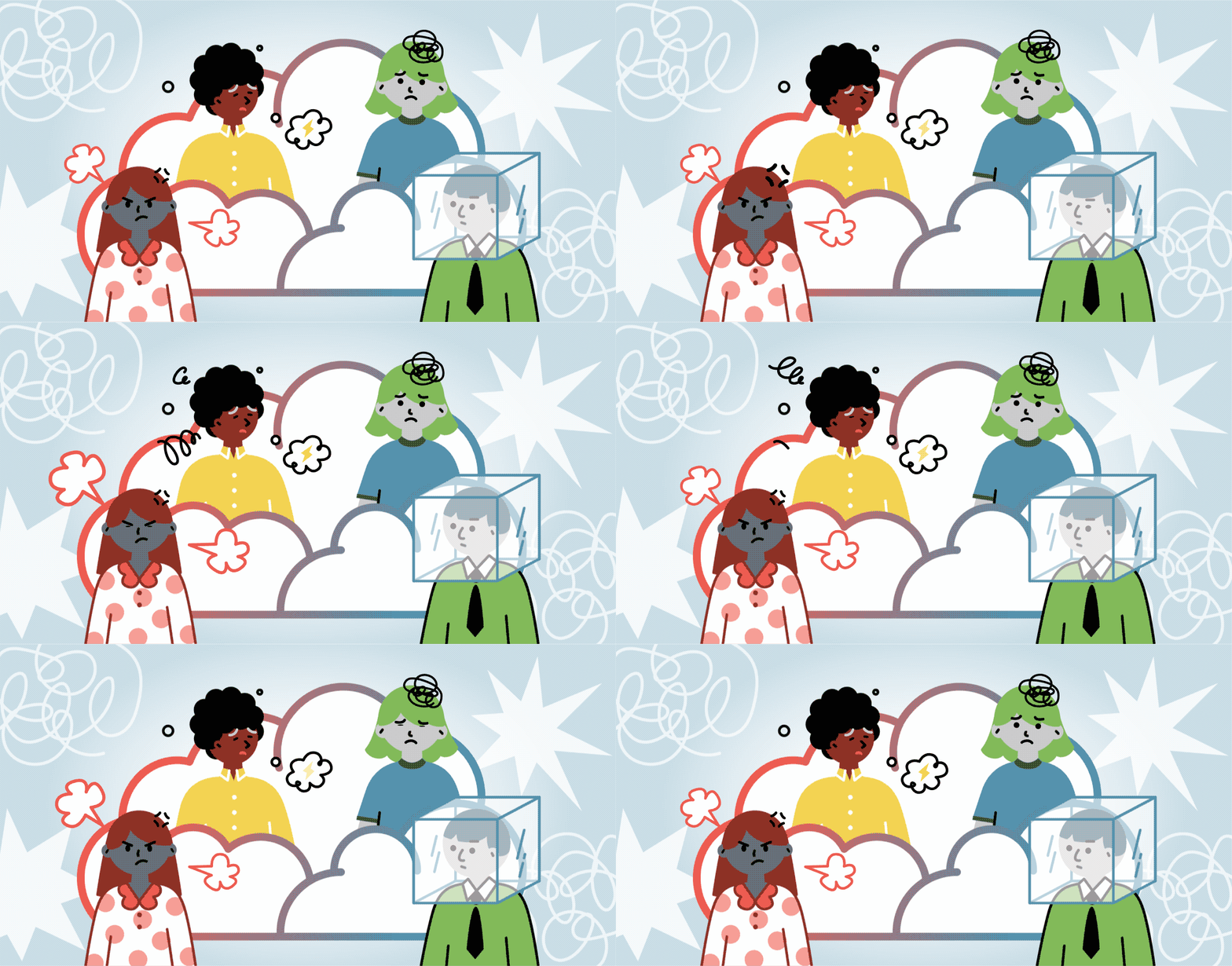
Have you been experiencing long-term stress? If so, you might be at risk of suffering from brain burnout. Brain burnout is more common than you might think, but it presents differently in introverts and extroverts. Your DISC behavioral style may influence how you respond to prolonged stress and mental exhaustion. Understanding these differences can help you recognize potential signs of burnout in yourself and others. How Does Brain Burnout Affect Extroverts? People with Direct (D) and Outgoing (I) DISC communication styles tend to be more extroverted. When experiencing brain burnout, they may notice changes in their emotional responses, energy levels, and sense of control. Symptoms may progress through the following stages: Minor: Emotional responses become unpredictable or noticeably muted. Mild: Excessive tiredness, low energy, or difficulty maintaining normal activity levels. Moderate: Increased feelings of anger, sadness, or emotional overwhelm. Major: A sense of hopelessness or feeling that life is out of control. Severe: Depression and anxiety. How Does Brain Burnout Affect Introverts? People with Steady (S) and Precise (C) DISC communication styles tend to be more introverted. When experiencing brain burnout, they may become increasingly withdrawn, lose their motivation, or struggle to find the energy to engage with everyday responsibilities. Symptoms may progress through the following stages: Minor: Slight detachment from everyday life and established routines. Mild: Reduced motivation, creativity, and drive. Moderate: Loss of enthusiasm or an increased tendency to withdraw. Major: Feeling helpless or unable to take action. Severe: Depression and chronic fatigue. Why Does Recognizing Brain Burnout Matter? Recognizing changes in behavior, motivation, emotional responses, and energy levels can help people identify when stress may be taking a toll. Understanding your behavioral tendencies can also help you recognize how you typically respond to pressure and when you may need additional support.

Additional Resources

More on this Topic