
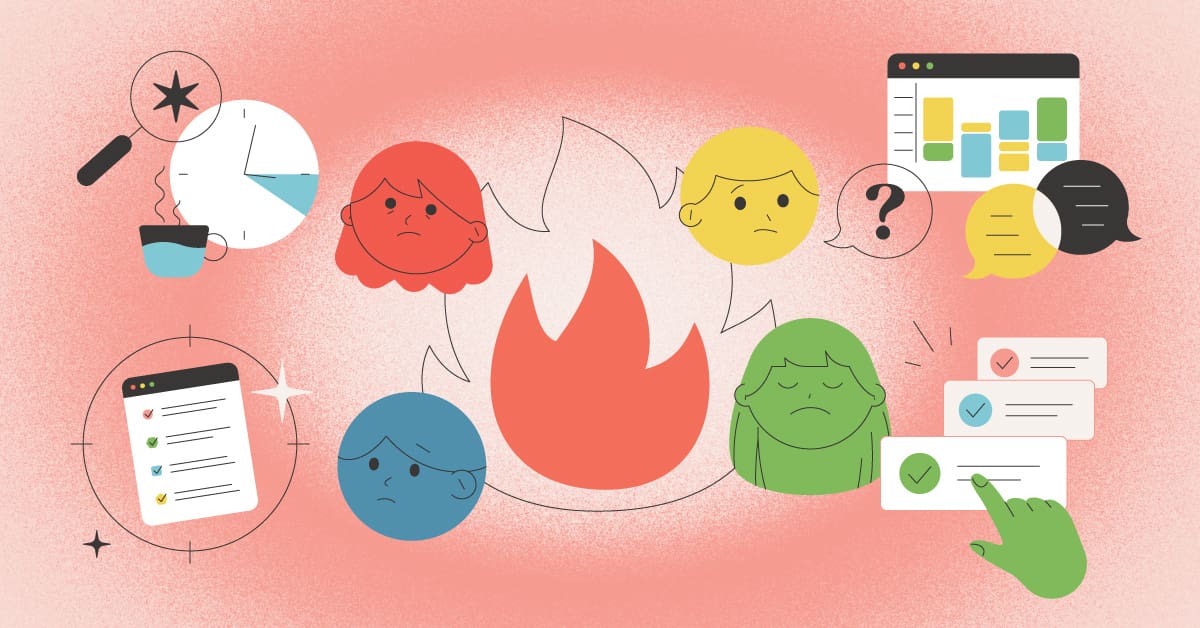
Burnout can affect anyone, but the way it shows up may look different depending on how you naturally communicate and work with others.
Key Takeaways
- Communication style can influence how you experience workplace stress. DISC helps identify behavioral patterns that affect how you communicate, respond to challenges, and interact with others.
- Each DISC style has different burnout risks. Some people may struggle to slow down, while others may avoid conflict, become isolated, or lose focus.
- Self-awareness can help prevent burnout. Understanding your behavioral tendencies makes it easier to recognize warning signs and adjust your communication habits.
- Healthy communication requires flexibility. Adapting how you communicate can help you set boundaries, reduce misunderstandings, and stay connected to your team.
The World Health Organization defines burnout as a result of chronic workplace stress that has not been successfully managed. It can involve exhaustion, increased mental distance or negativity toward work, and reduced professional effectiveness.
Understanding your communication style is one way to recognize how workplace stress may affect you. TTI’s DISC assessment measures observable behavior and helps people understand how they prefer to communicate, interact, and respond to challenges.
Here are some common burnout risks associated with different DISC communication styles—and strategies for addressing them.
Direct Communicators (High D): Pushing Yourself Past Your Breaking Point
Direct communicators tend to move quickly, focus on results, and take action. Those strengths can help get things done, but they can also make it difficult to slow down.
A Direct communicator may push through fatigue, skip breaks, continue working after hours, or take on too much responsibility. They may also prioritize tasks over relationships and miss opportunities to connect with coworkers.
Solution: Tune In and Set Boundaries
Schedule breaks and establish a clear stopping point for the workday. Resist the urge to immediately respond to every message or solve every problem.
Make time to connect with coworkers, too. Strong relationships are part of sustainable performance, not a distraction from it.
Reflective Communicators (Low D): Avoiding Conflict Creates Conflict
Reflective communicators tend to be cooperative, low-key, and accommodating. They may avoid difficult conversations because they don’t want to create tension.
Over time, however, avoiding conflict can create more stress. Unresolved questions, unclear expectations, and unspoken concerns can contribute to frustration and burnout.
Solution: Get Clarity
Speak up when you need clarification, resources, or support. When a conversation is important, choose the communication method that makes it easiest to avoid misunderstandings.
Don’t assume you know what someone meant. Ask questions, confirm next steps, and give yourself permission to address problems before they grow.
Outgoing Communicators (High I): When Connection Disappears
 Outgoing communicators are energetic, enthusiastic, and relationship-oriented. They often gain energy from interacting with other people, which means isolation can quickly become draining.
They may also become distracted by conversations, notifications, or competing priorities.
Solution: Connect With Purpose
Build intentional opportunities for connection into your day. Schedule time with coworkers, but also protect periods of focused work.
Short, structured work sessions followed by intentional breaks can help maintain both productivity and social connection.
Reserved Communicators (Low I): Distant and Disconnected

Reserved communicators tend to be controlled, reflective, and comfortable with independence. While that can make focused work easier, it can also tempt them to withdraw when work becomes stressful.
Too little communication can lead to missed information, misunderstandings, and disconnection from the team.
Solution: Stay Connected
You don’t need to be involved in every conversation. Instead, identify the communication channels that work best for you and use them consistently.
Share updates, ask questions, and participate in important discussions—even when your natural preference is to work independently.
Steady Communicators (High S): A Fast Pace Can Become Exhausting
Steady communicators tend to value patience, consistency, and predictability. Constant changes in priorities, deadlines, or expectations can create additional stress.
When they feel pressure to continually speed up or adapt, they may eventually become overwhelmed.
Solution: Talk It Out
Clear communication can create the stability you need. Ask about priorities, deadlines, and expectations rather than trying to navigate uncertainty alone.
Document progress and accomplishments, too. Seeing what you’ve completed can provide a greater sense of progress and control.
Dynamic Communicator (Low S): Too Many Priorities, Too Little Focus
Dynamic communicators are active, flexible, and comfortable with change. Their ability to shift gears can be a strength—but constantly switching between tasks, meetings, messages, and priorities can eventually lead to mental fatigue.
Solution: Narrow the Scope
Decide which communication tools and channels are actually necessary. Limit unnecessary notifications and protect focused work time.
Being adaptable doesn’t mean responding to everything immediately. Sometimes the best way to stay agile is to slow down long enough to focus.
Precise Communicator (High C): When Focus Becomes Pressure

Precise communicators tend to value accuracy, structure, and quality. Their high standards can be an asset, but they may also create pressure to get everything exactly right.
Frequent interruptions, unnecessary meetings, and unclear expectations can make it difficult to maintain focus.
Solution: Protect Your Focus
Set boundaries around focused work. If you’re in the middle of an important task, it’s okay to ask someone to reconnect later.
Make time for breaks and avoid turning high standards into unrealistic expectations. Accuracy matters, but so does sustainability.
Pioneering Communicators (Low C): Too Ready to Roll

Pioneering communicators tend to be independent, instinctive, and future-focused. They often enjoy starting new projects and exploring new possibilities.
The challenge is knowing when to stop pivoting. Constantly moving to the next idea can leave unfinished work behind and create an unnecessary workload.
Solution: Pace Yourself
Before moving on, finish what needs to be finished. Give yourself time to gather information, complete tasks, and follow through on commitments.
Your ability to see what’s next is valuable. Just make sure you’re not sacrificing your current workload to get there.
The number one thing each behavioral style can do to avoid burnout is focus on increasing communication.
Use Communication Awareness to Prevent Burnout
There is no single communication style that is immune to burnout. The goal isn’t to change your natural behavior—it’s to become more aware of how that behavior can affect your stress, relationships, and work.
DISC provides a framework for understanding how people communicate and behave. When you understand your own tendencies and recognize that others may communicate differently, you can make more intentional choices about boundaries, collaboration, and communication.
Explore how DISC assessments support workplace communication and use behavioral insights to build healthier, more effective ways of working together.